Entry · Ref SVYNA5J7
Addiction Treatment in Texas: Sober Training and Recovery Mentoring
- Posted
- 2026-10-17
- Last amended
- 2026-10-17
- Account
- @trevorkuai876
Texas is big sufficient to hold many different roadways to recuperation, from intensive healthcare facility detoxification to peaceful, peer-led meetings in church cellars. Over the past decade, one bridge between formal care and day-to-day life has obtained grip below: sober training and recuperation mentoring. When it is succeeded, mentoring steadies the vulnerable handoff from treatment to real life, where stressors do not wait for your following therapy appointment. I have seen individuals maintain breakable gains just since a trainer answered the call at 10 p.m., strolled with them via a strained family members supper, or taught them exactly how to make a relapse avoidance strategy that really fits life in San Antonio website traffic and hillside country weekends.
This is not a silver bullet. An instructor does not change medical care or certified treatment. But in Texas, with its mix of urban sprawl, oilfield rotations, military areas, and country towns, the useful adaptability of a trainer usually makes the distinction between a promising discharge summary and a long lasting, sober routine.
What sober mentoring is, and what it is not
A sober train is a skilled expert that aids a person construct and preserve healing in every day life. That function can be extremely sensible: structuring an early morning regimen, mapping risky courses around community, rehearsing how to leave a bbq without using. It can additionally be calculated: straightening treatment objectives with everyday habits, coordinating with outpatient carriers, producing accountability that holds on weekends and holidays.
The term recuperation mentor is often made use of mutually, though advisors normally emphasize peer experience. In method across Texas, the work blends both. Coaches might be licensed peer experts, accredited counselors moonlighting, or skilled healing supporters learnt evidence-informed methods. The better ones can articulate their technique, set measurable goals, and work together with your clinical team.
An instructor is not a detox carrier, not a prescriber, and not a substitute for psychiatric therapy. If alcohol withdrawal dangers seizures, or if opioids become part of the image and medicine for opioid usage problem is suggested, a clinical carrier leads. Excellent trains in Texas recognize when to step back and loophole in a clinician, and they keep tidy borders around scope.
How coaching fits within addiction treatment in Texas
Addiction therapy in Texas extends across degrees of treatment: medical detoxification, domestic rehab, partial a hospital stay, extensive outpatient, common outpatient, and mutual-help teams. Sober training threads with these phases, typically increase as formal intensity tapers down.
In Dallas and Houston, some programs pack coaching into discharge preparation. In the Panhandle and Big Bend, I have actually seen telecoaching made use of to connect cross countries to specialized treatment. On the I-35 corridor, family members usually transform to training throughout the risky very first 90 days after property treatment. Coaches can also offer those who are not in therapy at all, assisting them prepare for it, reduce use, or support disorderly regimens so treatment comes to be possible.
Insurance protection for coaching varies. Some employer plans repay certain peer solutions, particularly when the instructor holds a state-recognized credential. More frequently, family members pay privately. I have actually seen rates in Texas array from 50 to 200 bucks per hour, with day-rate alternatives when a customer needs intensive support, as an example throughout a very early return from household care. The expense hurts, but weighed versus duplicated regressions and shed work, numerous families discover it justified. The secret is to require quality on deliverables, sychronisation with clinicians, and outcomes tracking.
A day in the life with a sober coach
Consider a composite of customers I have actually supported in and around San Antonio. The customer is a 32-year-old line cook who finished a 30-day program and began an evening intensive outpatient group three nights a week. He deals with his sibling near the Pearl, trips the bus, and functions from 3 p.m. To 11 p.m. Alcohol consumption began on the line, where beers glide toward shutting time. He wants to keep the job.
We established an early morning structure: up at 8 a.m., hydration, fast morning meal, a 10-minute check-in by text, and then a 20-minute walk around Brackenridge Park prior to the warm spikes. We met outside a day or more every week, ran through desire surfing exercises, and planned dishes ahead of time to lower end-of-shift choice fatigue. He shared his group routine, and with authorization I sent a short once a week note to his specialist highlighting wins and pressure points. On payday Fridays, he let me recognize where the cash was going, making use of a simple envelope technique to stop a spree.
One Sunday he texted at 4 p.m. From a pal's apartment where the game was on and tequila was out. We practiced a manuscript, he forged a belly insect, and I waited on FaceTime while he grabbed a rideshare. We met at a late-night restaurant off Broadway and debriefed over coffee. That solitary bailout, coupled with a Monday session examining triggers, likely conserved a two-week spiral.
This is not attractive. It is applied, flexible, and relentlessly practical. It plugs the gaps that conventional therapy can not reach in between 5 p.m. And midnight.
How training differs from therapy, sponsorship, and case management
Therapy digs into patterns and injury. Sponsors supply fellowship and actions within a mutual-help custom. Situation managers organize services and make certain continuity of care. Trainers obtain from all three, however sit closer to the ground. Their currency is activity in genuine environments.
If a customer's shame is obstructing relapse avoidance, that belongs in therapy. If the person needs a meeting after job, an enroller may suggest where to go. An instructor will certainly map the commute, rehearse the arrival, and repair the late bus. In my experience in Texas markets, individuals do best when all three duties interact, each remaining within their lane.
Texas truths that form mentoring plans
Texas warmth affects hydration and rest, both connected to yearnings. Instructors remind clients to carry water, and to shift workouts previously in the day during peak months. Commute times in Austin and Houston can add an hour to the day, transforming small tension into a relapse vehicle driver. Trains help customers determine micro-breaks, podcasts that enhance recuperation, or alternate routes that prevent triggers, like an alcohol shop near the usual exit.
Cultural rhythms issue. Friday evening lights, rodeo period, Fiesta in San Antonio, and tailgates can hit very early recovery. Coaches do not simply state avoid it. They teach rated direct exposure: attend a quarter and leave, bring a sober friend, carry your very own drink, or watch from home until footing steadies. For those operating in oil and gas, two-weeks-on rotations can annihilate routine. Telecoaching and assigned check-ins straighten with change adjustments, and a security plan is constructed for the night off in Midland or Eagle Ford when staff culture pushes hard.
Rural accessibility continues to be an obstacle. Broadband voids indicate telephone call and SMS become lifelines. Coaching can additionally sustain transport strategies to reach consultations in Lubbock or San Angelo every various other week. In some regions, confidence communities give the best recuperation network. Proficient trains respect that, motivate spiritual assistances when they help, and keep the door open up to professional treatment when symptoms escalate.
Addiction therapy in San Antonio and just how mentoring integrates
San Antonio's therapy landscape includes hospital-affiliated detoxification systems, residential centers within an hour's drive, extensive outpatient programs throughout the North Side and West Side, and a busy environment of mutual-help conferences in English and Spanish. Active service armed force and experts add one more layer, with confidentiality and command considerations directing plans. Many families below prefer a sensible approach, something that fits change work at Toyota or night classes at one of the colleges.
Coaches in San Antonio tend to meet customers where they are: after job near Southtown, at a coffeehouse on the North Central loophole, or basically if child care is limited. I motivate sychronisation, with the customer's authorization, in between instructor, specialist, and prescriber. When the coach listens to that weekends surge yearnings after a long Saturday shift at La Cantera, the specialist can target cognitive approaches, and the prescriber can watch for interactions or adjust medication timing. This three-way positioning typically cuts relapse danger throughout the very first 90 days of outpatient care.
Evidence, end results, and truthful limits
Peer and training supports are not new. Research on proceeding care shows benefits for material usage end results when liability and abilities technique continue past formal therapy. The size differs throughout researches. In my data, clients that made use of coaching for at the very least 3 months, with once a week call and on-call accessibility for high-risk windows, were more likely to complete outpatient programs and record months-long stretches without use. That is not a randomized test, however it tracks with what several medical professionals see: organized follow-up reduces the chances of a very early slide.
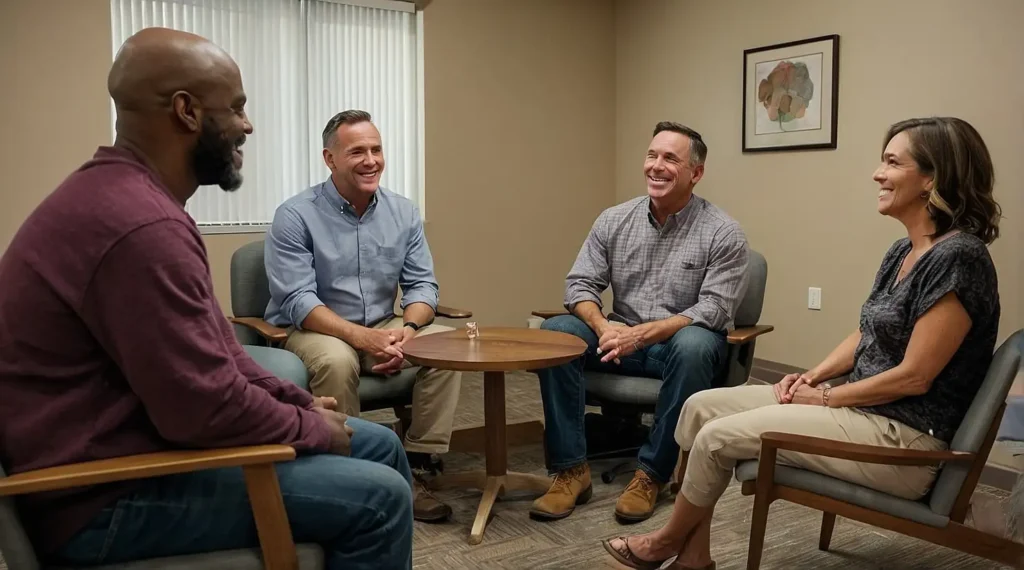
Coaching's restrictions are clear. If a person is psychotic, self-destructive, or in extreme withdrawal, this is medical. If a court order is driving engagement, inspiration can be thin, and mentoring may become a conformity display instead of an adjustment agent. And some individuals merely dislike the intimacy of day-to-day check-ins. We do not require it. We develop a various scaffold.
Costs, openness, and what to ask prior to you hire
Private mentoring is a financial investment. When households ask whether it is worth it, I turn the question around: what are you shopping? If the solution is satisfaction without the individual changing, save your cash. If the solution is focused, sensible assistance during a risky home window, then established clear terms.

Here is a succinct checklist of inquiries that helps Texans different solid coaches from glossy advertising and marketing:
- What is your training and credential, and just how do you stay within your extent of practice?
- How do you collaborate with therapy, medical service providers, and family members, with the client's consent?
- What does a week appear like in functional terms, consisting of reaction times after hours?
- How do you specify and gauge progress, and what takes place if the strategy stalls?
- What are your costs, termination policies, and any type of added fees for crisis support or travel?
If an instructor can not respond to these without fluff, keep looking.
Family involvement without making it worse
Families commonly spend for training, which complicates borders. A great coach develops a triangle that does not come to be a trap. With the customer's approval, updates to household stay top-level: presence, adherence to concurred routines, and major problems. The abrasive details, consisting of slides, are managed initially with the customer unless immediate security goes to risk. This keeps pity from driving secrecy.
I ask families to concentrate on structural support. Assist with transportation for night teams. Shift dinner times to match a new job timetable. Remove alcohol from the home for 90 days. If there is a slip, prevent high-decibel postmortems. Rather, go back to the plan: what worked, what failed, and what we can iterate by Friday.
Working with medicine and medical care
Medication for alcohol use disorder and opioid use disorder conserves lives. In Texas, gain access to has improved, but stigma remains. Instructors that know their lane can assist customers remain constant, track adverse effects, and plan around doses. For a person on buprenorphine, a coach might establish drug store suggestions, plan for trips when refills will overlap, and preemptively sort transportation. For a person on naltrexone, the coach may intend the first couple of weeks when queasiness can damage cravings and sleep.
Coordination matters most during changes: hospital discharge to home, jail release to first facility visit, or moving from San Antonio to a job in New Braunfels. A 72-hour post-transition home window is where I see plans stop working. Lock that window down with arranged check-ins, a calendar welcome to the initial outpatient team, and a transport backup if a vehicle delays on 281.
Practical devices that make mentoring tangible
The ideal coaching gets certain, not aspirational. We build brief loopholes. 2 instances:
A food craving plan that fits I-10 web traffic. Name the hotspot time, typically 5 to 7 p.m. Identify the first cue, such as the turn onto a road with signboards for liquor. Exchange the path for 10 days. Preload a high-protein snack, a litre of water, and a playlist that indicates recuperation, not nostalgia for the bar. Text the coach as the car leaves work, then again on arrival. Award with a little, instant win: 15 minutes of a favorite program before dinner.

A workplace script for after-shift stress. When a coworker says simply one drink, the customer practices: I am driving my nephew early, catch you later. Body transforms, feet move, text goes out. Money remains in a front pocket with only recompense and a card secured behind phone limitations after 8 p.m. This may appear granular. It is, and it works due to the fact that it minimizes choices under fatigue.
Red flags when looking for mentoring in Texas
Most trainers indicate well. A few do damage by overpromising or neglecting principles. Keep an eye out for these warning signs:
- Guarantees of soberness or claims of one hundred percent success
- Refusal to collaborate with accredited service providers or to make use of a launch of information
- Pushy references to a solitary rehabilitation without talking about alternatives or cost
- Pressure to sign long agreements before a trial period
- Vague plans hefty on motivation and light on day-to-day structure
If any one of these pop up, time out. There are several thoughtful experts in the Texas healing community that will value your judgment and budget.
Starting points for addiction treatment Texas wide, and locally in San Antonio
People usually ask where to start. If prompt medical risk exists, start with a physician, urgent care, or a hospital emergency room. For alcohol withdrawal, do not white-knuckle in the house. For opioids, look for a clinic that suggests buprenorphine or methadone. Throughout Texas, county psychological health authorities preserve source lines that can route you to licensed suppliers and sliding-scale options.
For those checking out addiction treatment in San Antonio, map the alternatives: hospital-based detox for security, a property program if home is disorderly, after that a step-down to intensive outpatient on the exact same side of town as your work. Take a look at job schedules and child care. If you include a sober coach, integrate them early. Share calendars. Determine the very first high-risk weekend and over-engineer it. If cash is tight, inquire about group-based coaching or peer assistance experts embedded in clinics, which can reduce prices and still supply accountability.
Telecoaching and rural Texas
Rural Texans often handle lengthy drives and slim carrier networks. Phone-based training, SMS check-ins, and regular in-person days can be enough. I have actually supported cattle ranch hands outside Kerrville with a hybrid version: one in-person morning every two weeks, daily messages, and a Sunday night video phone call to set the week. The plan consisted of a neighbor who came to be a walking partner at dawn, when the warm allows. Mutual-help meetings might be sporadic, so we used online groups and set clear borders to stay clear of endless scrolls that unspool sleep.
Telecoaching additionally helps during climate occasions. Throughout the 2021 freeze, numerous clients shed water and power. The threat of regression increased under stress. Coaches worked on phone batteries, utilized brief phone call to support regimens, and arranged secure residences with sober pals when apartment or condos went dark. It was not sophisticated, yet it held people until solutions returned.
Measuring progression without deceiving ourselves
Sobriety dates matter, and they are not the whole tale. I track three domain names in very early work: frequency and strength of food cravings, presence and preparation to recuperation tasks, and top quality of sleep. When food cravings go down a notch or more, when people appear in a timely manner, and when rest stabilizes over 6 hours most evenings, lapses drop. These are visible and shapeable.
When slides happen, the plan shifts to rapid knowing. We capture the chain, identify the first inconsistency, not the straw that broke the camel's back, and squash pity by going back to concrete behaviors. Instead of a moral failure narrative, we treat it as a systems trouble. Over months, that position enables individuals to restore without hiding.
Respecting society and language
Texas has deep cultural diversity. Spanish-speaking family members in San Antonio browse recuperation with different idioms of distress and various expectations about family members functions. Trainers that are bilingual or culturally attuned can decrease friction. They will know just how to entail an abuela without shaming a grand son, or how to discuss addiction as an illness in a way that aligns with family values. In a similar way, for veterans and army family members, experience with chain-of-command and confidentiality borders can protect against spontaneous mistakes that threaten careers.
Final ideas from the field
Addiction therapy is not a single entrance. It is a course that we develop under our feet while life keeps moving. Sober coaching and healing mentoring give that path grip in regular areas: a post-shift parking area, a grocery aisle, a household picnic at Woodlawn Lake. Made with skill, coaching equates scientific objectives right into sturdy practices, maintains households aligned without taking control of, and purchases time for the brain to heal.
If you are weighing choices for https://marioybob819.rivertonbrief.com/posts/the-role-of-family-members-in-successful-addiction-treatment-across-texas addiction treatment Texas broad, or considering addiction treatment in San Antonio specifically, seek useful placement between solutions and day-to-day live. Ask tough questions of any kind of instructor. Demand control with clinicians. Allocate the high-risk months, not simply the first week home. Recuperation is built in hours and days, not mottos. A great trainer comprehends that, fulfills you where you live, and stays long enough for the new regular to end up being yours.